In the world of aviation, safety is paramount, yet there are phenomena that can pose significant risks to aircraft during takeoff and landing. One such phenomenon is the plane microburst, a powerful and localized downdraft that can lead to catastrophic consequences if not properly understood and mitigated. These sudden bursts of wind can occur in thunderstorms and can be devastating for pilots and passengers alike, making it essential to grasp the nature of microbursts and their impact on flight operations. As aviation technology advances, so does the need for a deeper understanding of the weather conditions that can affect air travel. The plane microburst is one such condition that, while not widely known to the general public, is of critical importance to both meteorologists and pilots. With varying intensities and unpredictable patterns, microbursts can turn a routine landing into a perilous experience.
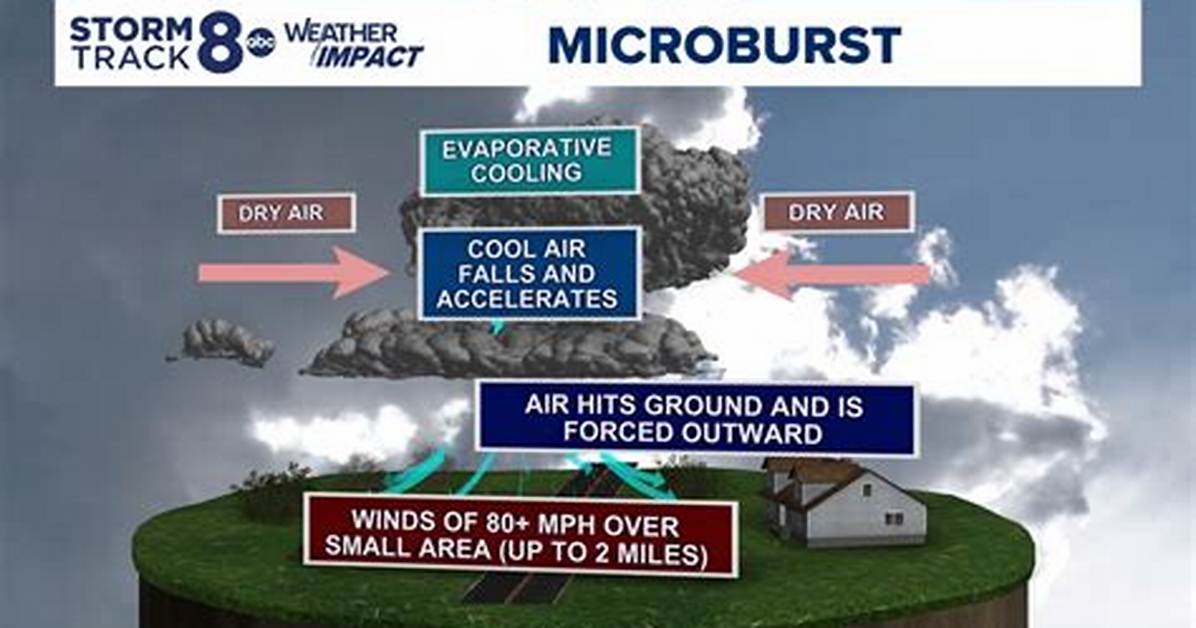
Microbursts are essentially small-scale wind events that can occur in thunderstorms, characterized by a sudden downward rush of air that hits the ground and spreads out horizontally. This phenomenon can be particularly dangerous for aircraft during the crucial phases of takeoff and landing, where altitude and speed are critical. With the potential to create wind shear—a rapid change in wind speed and direction—plane microbursts can be challenging to detect and predict, leading to hazardous situations for even the most experienced pilots.
Understanding the mechanics of plane microbursts requires a look into the atmospheric conditions that create them. As pilots and meteorologists work together to improve safety protocols, recognizing the signs of an impending microburst can be the key to preventing accidents. This article will delve into the nature of plane microbursts, their implications for aviation safety, and the strategies pilots can employ to navigate these treacherous weather patterns.
What is a Plane Microburst?
A plane microburst is a sudden and intense downdraft that occurs within a thunderstorm, creating a localized area of downward wind. This downdraft can reach speeds of up to 6,000 feet per minute, resulting in a hazardous situation for aircraft during takeoff or landing. When the downdraft hits the ground, it spreads out in all directions, creating dangerous wind shear that can affect an aircraft's flight path.
How Do Microbursts Form?
Microbursts are formed under specific atmospheric conditions, typically in the presence of a thunderstorm. The process begins with the cooling of air within the storm due to precipitation. This cooler air becomes denser and begins to descend rapidly, leading to the formation of a microburst. The key factors in microburst formation include:
- High humidity levels
- Strong updrafts within the thunderstorm
- Significant temperature differences between the storm and the surrounding air
What Are the Different Types of Microbursts?
Microbursts can be categorized into two main types:
- Wet Microbursts: These occur when rain accompanies the downdraft, leading to a more pronounced effect on the surrounding air.
- Dry Microbursts: These occur in dry conditions, where the downdraft is not accompanied by precipitation, making them harder to detect.

