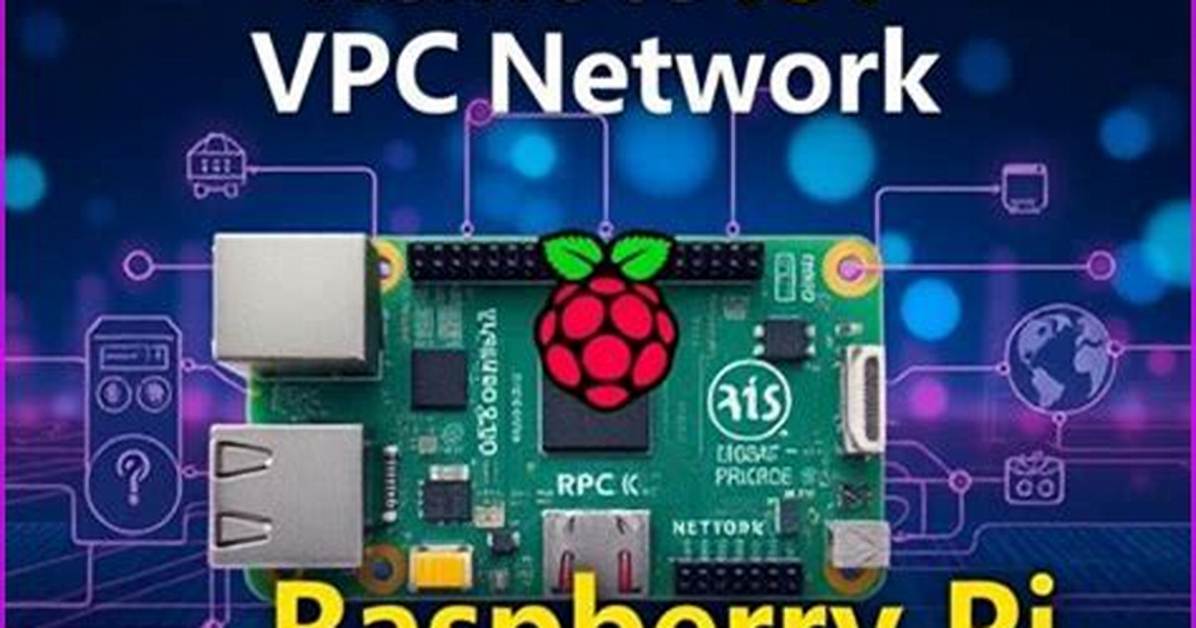
In today's interconnected world, securely connecting remote IoT devices to a Virtual Private Cloud (VPC) using a Raspberry Pi has become increasingly essential for both hobbyists and professionals. With the rise of smart devices and remote work, ensuring secure communication between IoT devices is paramount. This article delves into the step-by-step process of setting up a secure connection, including free download options and practical tips to safeguard your IoT network.
Whether you're a beginner or an experienced tech enthusiast, understanding how to configure a secure IoT environment is crucial. From selecting the right tools to implementing best practices, this guide will provide you with actionable insights to protect your devices and data.
As we explore the topic of securely connecting remote IoT VPC Raspberry Pi, we will also discuss free download resources that can simplify the process. By the end of this article, you'll have a comprehensive understanding of the tools, techniques, and strategies to keep your IoT infrastructure secure.
Understanding IoT Security and Its Importance
What is IoT Security?
IoT security refers to the technologies and practices used to protect IoT devices and the networks they connect to. These devices, ranging from smart thermostats to industrial sensors, often lack robust security measures, making them vulnerable to cyberattacks. Securely connecting remote IoT devices ensures that sensitive data remains protected and unauthorized access is minimized.
Why is IoT Security Crucial?
IoT devices are increasingly integrated into critical systems, from healthcare to manufacturing. A breach in one device can compromise an entire network, leading to data theft, financial loss, or even physical harm. By securing remote IoT VPC connections, you can:
- Protect sensitive information from unauthorized access.
- Prevent malicious actors from taking control of your devices.
- Ensure compliance with industry regulations and standards.
Common IoT Security Threats
Understanding potential threats is the first step in securing your IoT environment. Some common threats include:
- Device hijacking: Attackers gain control of IoT devices to perform malicious activities.
- Data breaches: Unauthorized access to sensitive data transmitted between devices.
- Firmware vulnerabilities: Exploiting outdated or unpatched firmware to infiltrate devices.
Setting Up a Virtual Private Cloud (VPC) for IoT Devices
What is a VPC?
A Virtual Private Cloud (VPC) is a secure and isolated network environment provided by cloud service providers. It allows you to host and manage your IoT devices within a private network, ensuring that communication between devices remains secure and protected from external threats.
Benefits of Using a VPC for IoT
Implementing a VPC for your IoT devices offers several advantages:
- Enhanced security through network isolation.
- Flexible configuration options for device management.
- Scalability to accommodate growing IoT deployments.
Steps to Create a VPC for IoT Devices
Setting up a VPC involves the following steps:
- Select a cloud provider that supports VPC creation, such as AWS, Azure, or Google Cloud.
- Define your network parameters, including IP ranges and subnets.
- Configure security groups and access control lists (ACLs) to restrict unauthorized access.
- Deploy your IoT devices within the VPC and test connectivity.

