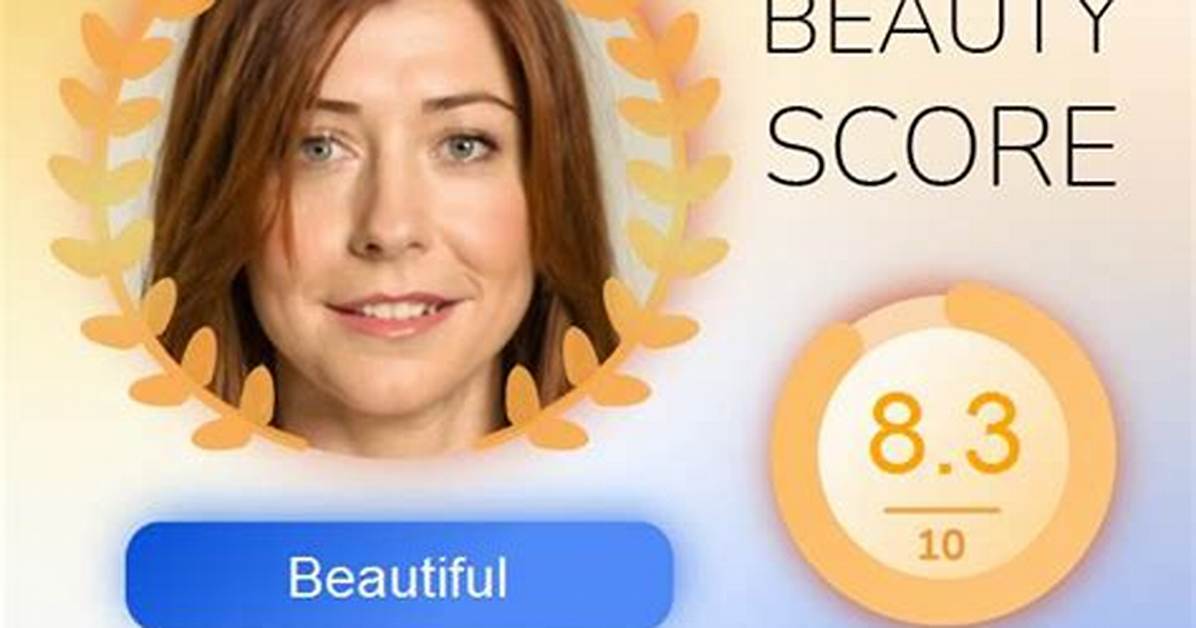
In a world obsessed with appearances, the quest for beauty has transcended generations, evolving into a complex interplay of self-perception and societal standards. One tool that has emerged in this digital age is Prettyscale, a website designed to evaluate physical attractiveness based on a variety of parameters. This platform offers users the chance to assess their beauty through an algorithm that analyzes facial features and provides a score, leading to a myriad of reactions ranging from amusement to self-reflection. The allure of Prettyscale lies in its simplicity and the instant gratification it provides, but what does this mean for our understanding of beauty in today’s society?
As we delve deeper into the concept of beauty and the metrics used to measure it, we must consider the implications of these scores. Are we merely reducing complex human features to numerical values, or is there a more profound understanding of beauty that can be uncovered through tools like Prettyscale? This article will explore the origins of Prettyscale, how it functions, and what it reveals about our perceptions of beauty.
While Prettyscale might seem like a lighthearted app, it invites serious conversations about self-esteem, confidence, and the societal pressures we face regarding physical appearance. By examining the functionality of Prettyscale and its impact on users, we can better understand not just the technology behind it, but also the deeper implications of beauty standards in our culture.
What is Prettyscale and How Does It Work?
Prettyscale is an online platform that allows users to upload their photographs and receive a score based on their facial aesthetics. Utilizing a blend of mathematical algorithms and facial recognition technology, Prettyscale analyzes various facial features such as symmetry, skin clarity, and proportions to assign an attractiveness score that ranges from 0 to 100.
How Accurate is Prettyscale's Assessment?
The accuracy of Prettyscale's assessments has been a topic of debate. While some users find the results amusing and somewhat reflective of their self-image, others argue that beauty is subjective and cannot be quantified. Factors such as lighting, angles, and even the emotional state of the person being photographed can significantly influence the results.
What Factors Does Prettyscale Consider in Its Scoring?
Prettyscale evaluates several key aspects of a person's facial structure, including:
- Facial symmetry
- Skin smoothness and clarity
- Proportions of facial features (eyes, nose, mouth)
- Overall facial shape
Each of these elements plays a role in determining the final score, but it is essential to remember that these criteria reflect a narrow definition of beauty.
Is Prettyscale a Tool for Self-Reflection or Comparison?
One of the most significant questions surrounding the use of Prettyscale is whether it serves as a tool for self-reflection or merely fosters comparison among users. For some, receiving a beauty score can provide a moment of validation or encouragement, reinforcing positive self-image. Others, however, may find themselves falling into a trap of comparison, scrutinizing their scores against those of friends or celebrities.
Can Prettyscale Impact Self-Esteem?
The relationship between beauty assessments and self-esteem is complex. While some individuals may experience a boost in confidence after receiving a high score on Prettyscale, others may feel discouraged or inadequate following a lower score. This disparity highlights the importance of context in which these scores are interpreted.
What Do Users Say About Their Prettyscale Experience?
User experiences on Prettyscale vary widely. Some users enjoy the lighthearted nature of the platform and share their scores with friends for fun, while others take the results to heart, leading to reflections on their self-image. Here are some common sentiments expressed by users:
- “It’s just a fun way to pass the time!”
- “I didn’t take it seriously, but it made me think about how I see myself.”
- “I wish it didn’t affect my mood so much.”

